The Lotus Coat: Why This Spiritual Symbol Became a Fashion Statement
 Owen Barnes
It hangs on a rack, unassuming. A coat. But look closer. The embroidery, the print, the silhouette—it whispers of something ancient. The 蓮 coat, named after the lotus flower, has quietly moved from niche spiritual circles into the mainstream fashion conversation. But why now? And what does it actually mean?
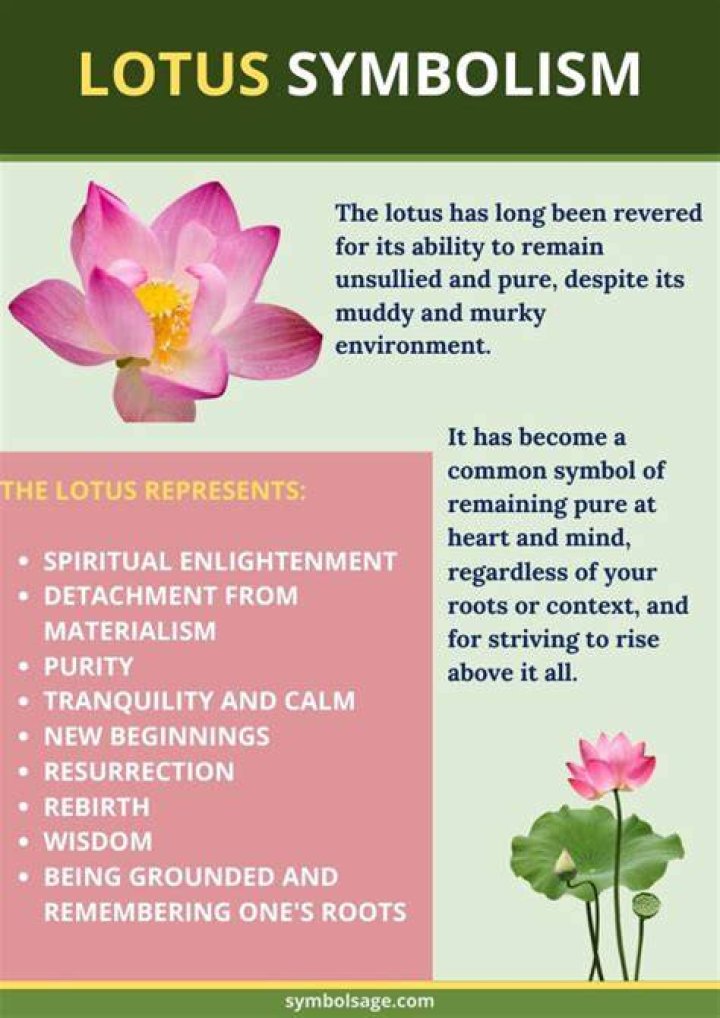
This isn't just another trend. The lotus, or 蓮 (ren), carries thousands of years of cultural weight. In Buddhism, it represents purity rising from muddy water. In fashion, that symbolism translates into a garment that feels both grounded and aspirational. The 蓮 coat is a statement piece, but its statement is subtle. It speaks of resilience, of beauty born from struggle.
We've seen it on runways in Tokyo and Paris. We've spotted it on influencers in Kyoto and New York. But the 蓮 coat is more than a seasonal must-have. It's a conversation starter about identity, spirituality, and the clothes we choose to wrap ourselves in. Let's unpack it.
What Exactly Is a 蓮 Coat?
At its simplest, a 蓮 coat is any outerwear garment that prominently features the lotus flower motif. This can manifest in several ways. Embroidery is the most traditional method, with intricate threadwork depicting lotus petals and buds. Screen printing offers a more graphic, modern take. Some high-end versions use jacquard weaving to embed the lotus pattern directly into the fabric.
The silhouette varies widely. You'll find everything from oversized kimono-style wraps to tailored trench coats. The common thread is the lotus imagery. But the term "蓮 coat" has also come to describe a specific aesthetic: flowing, organic, and often monochromatic or earth-toned. It's a coat that feels less like armor and more like a second skin.
Key Characteristics of a Lotus Coat
Not every coat with a flower print qualifies. Authentic 蓮 coats share several defining traits. First, the lotus is usually the central motif, not a background pattern. Second, the design often incorporates elements of Eastern aesthetics—asymmetrical closures, wide sleeves, or a wrap silhouette. Third, the fabric choice matters. Natural fibers like linen, cotton, and silk are preferred, reinforcing the connection to nature.
Many designers also pay attention to the color palette. Soft pinks, muted greens, deep indigos, and pure whites dominate. These colors aren't arbitrary. In Buddhist iconography, the pink lotus is associated with the historical Buddha. White represents spiritual perfection. Blue symbolizes wisdom. The 蓮 coat, therefore, carries color symbolism as much as floral imagery.
The Deep Roots: Lotus Symbolism in Buddhism and Japanese Culture
To understand the 蓮 coat, you have to understand the flower. The lotus grows in murky, stagnant water. Yet it emerges pristine, untouched by the mud. This biological fact became a powerful metaphor in Buddhism. The lotus represents the journey from ignorance to enlightenment, from suffering to liberation.
In Japan, where the 蓮 coat has found a particularly strong following, the lotus is also associated with summer and the Obon festival, a time to honor ancestors. Temples are filled with lotus imagery. The flower appears in tea ceremony aesthetics and traditional painting. Wearing a 蓮 coat, for many Japanese consumers, is a way of carrying that cultural heritage into daily life.
This isn't cultural appropriation in the simplistic sense. Many contemporary Japanese designers are actively reinterpreting traditional motifs for a global audience. Brands like Issey Miyake and Comme des Garçons have explored lotus themes. The 蓮 coat, in this context, becomes a bridge between ancient symbolism and modern fashion.
How the 蓮 Coat Entered Global Fashion
The journey from temple to trend is fascinating. It didn't happen overnight. For decades, lotus motifs were confined to souvenir shops and religious paraphernalia. Then, something shifted. The rise of mindfulness culture in the West created a hunger for objects with spiritual meaning. Yoga wear exploded. Meditation apps boomed. And fashion took notice.
Around 2018, several independent designers began experimenting with lotus imagery on outerwear. Social media amplified the trend. Instagram influencers in Kyoto, wearing oversized 蓮 coats against temple backdrops, generated thousands of likes. The aesthetic was photogenic, yes. But it also resonated emotionally. People wanted clothes that told a story.
Fast forward to today. The 蓮 coat is stocked by major retailers and boutique brands alike. Zara has released versions. So have high-end labels like Etro and Dries Van Noten. The price range is enormous—from $50 fast-fashion copies to $2,000 artisan pieces. This accessibility has fueled the trend, but it also raises questions about authenticity.
Fast Fashion vs. Artisan 蓮 Coats
There's a noticeable difference between a mass-produced 蓮 coat and one made by a skilled artisan. The fast-fashion version often uses cheap polyester and a printed pattern. The lotus might be distorted or poorly placed. The cut is generic. It's a costume, not a garment.
An artisan 蓮 coat, on the other hand, is a different experience. The embroidery is hand-stitched. The fabric is natural and breathable. The pattern flows with the body's movement. These coats are often made in small workshops in Kyoto or Bali. They take days, sometimes weeks, to complete. The price reflects the labor and the cultural knowledge embedded in the design.
For the conscious consumer, the choice is clear. But not everyone can afford artisan pricing. The key is to look for quality indicators: natural fibers, precise stitching, and a design that respects the lotus's symbolism rather than exploiting it.
Styling a 蓮 Coat: Practical Tips for Everyday Wear
So you've bought a 蓮 coat. Now what? The beauty of this garment is its versatility. It can be dressed up or down. It works for casual outings, creative workplaces, and even semi-formal events. The trick is balance.
Because the 蓮 coat is often the statement piece, keep the rest of your outfit simple. Neutral colors—black, white, beige, gray—let the coat shine. Avoid competing patterns. A lotus coat with a floral dress is visual chaos. Instead, pair it with clean lines: straight-leg jeans, a simple turtleneck, or a minimalist slip dress.
Footwear matters too. Chunky sneakers create an interesting contrast with the coat's organic feel. Leather boots add an edge. Sandals or minimalist flats keep the look grounded and natural. The 蓮 coat is forgiving—it adapts to your personal style rather than dictating it.
Seasonal Considerations
Most 蓮 coats are designed for spring and autumn. The fabrics—linen, cotton, lightweight wool—are breathable but not heavily insulated. For winter, look for versions lined with fleece or quilted padding. Some brands offer reversible 蓮 coats, with the lotus pattern on one side and a solid color on the other. This gives you two looks in one garment.
Summer versions exist too. Think of a sheer, unlined kimono-style wrap. It provides a layer of style without adding heat. The lotus motif, in this case, becomes almost ethereal, floating over your outfit.
Where to Buy an Authentic 蓮 Coat
Finding a genuine 蓮 coat requires some research. Start with Japanese brands. Issey Miyake's Pleats Please line has featured lotus-inspired pieces. Smaller Kyoto-based labels like SOU・SOU and Kimono Yamato offer handcrafted options. Online marketplaces like Etsy host independent artisans from Bali and Thailand who specialize in lotus embroidery.
For mid-range options, look at brands that emphasize ethical production. People Tree, known for fair trade fashion, has released lotus-print coats. So has the London-based label TOAST, which often draws on Japanese aesthetics. Department stores like Liberty London and Isetan in Tokyo carry curated selections.
Avoid generic fast-fashion sites unless you're willing to compromise on quality and ethics. If you do buy a cheaper version, inspect the product photos carefully. Blurry images or stock photos are red flags. Read reviews. Look for real customer photos. The 蓮 coat is an investment in meaning, not just fabric.
Common Misconceptions About the 蓮 Coat
Let's clear up a few things. First, the 蓮 coat is not a religious garment. It's a fashion item inspired by religious and cultural symbolism. Wearing one does not imply you are Buddhist. It does, however, carry cultural weight. Be respectful. Understand the symbolism. Don't wear it as a joke or a costume.
Second, not all lotus coats are created equal. A poorly made version can look cheap and disrespectful. The lotus is a sacred symbol in many traditions. Mass-producing it on synthetic fabric with sloppy printing diminishes its meaning. If you can't afford a quality version, consider saving up or choosing a different motif altogether.
Third, the 蓮 coat is not a passing fad. While specific styles may change, the lotus motif has been part of human adornment for centuries. It appears in ancient Egyptian jewelry, Indian textiles, and Chinese robes. The 蓮 coat is a contemporary expression of a timeless symbol. It has staying power.
Care and Maintenance of Your 蓮 Coat
Proper care extends the life of your coat and preserves its beauty. Always check the care label first. Hand washing is recommended for embroidered or silk versions. Use cold water and a mild detergent. Avoid wringing—gently press out water and lay flat to dry.
For printed or jacquard coats, dry cleaning is often safer. The heat and agitation of a washing machine can damage the pattern. Store your 蓮 coat on a padded hanger to maintain its shape. Keep it in a breathable garment bag, away from direct sunlight, which can fade the colors.
If the embroidery becomes loose, take it to a professional tailor. DIY repairs can worsen the damage. A well-maintained 蓮 coat can last for decades, becoming a cherished piece in your wardrobe.
The Future of the 蓮 Coat
What's next for this symbolic garment? Several trends are emerging. Sustainable fashion advocates are pushing for more eco-friendly production methods. Natural dyes, organic cotton, and zero-waste patterns are becoming selling points. Consumers are increasingly asking where their clothes come from and who made them.
Technology is also playing a role. Some designers are experimenting with digital printing that allows for hyper-detailed lotus patterns without the environmental cost of traditional dyeing. Others are using blockchain to verify the authenticity and ethical sourcing of their materials.
Collaborations between Eastern and Western designers are likely to increase. We may see 蓮 coats that blend Japanese minimalism with Scandinavian functionality. The core appeal—a garment that tells a story of resilience and beauty—will remain. The lotus will continue to rise.
Frequently Asked Questions About the 蓮 Coat
What does the lotus flower symbolize on a coat?
The lotus represents purity, spiritual awakening, and resilience. In Buddhism, it symbolizes rising above suffering to achieve enlightenment. Wearing a 蓮 coat can be a personal reminder of these values.
Is it cultural appropriation to wear a 蓮 coat?
It depends on intent and execution. If you wear it respectfully, understand its cultural roots, and choose an authentic version, it's generally seen as appreciation. Avoid cheap, disrespectful knockoffs and never wear it as a costume.
Can men wear a 蓮 coat?
Absolutely. The 蓮 coat is gender-neutral in design. Many brands offer unisex silhouettes. The lotus motif is not inherently feminine. In fact, in many Buddhist traditions, the lotus is associated with male deities as well.
How do I style a 蓮 coat for a formal event?
Choose a tailored version in a solid color with subtle lotus embroidery. Pair it with tailored trousers or a sleek dress. Keep accessories minimal. The coat itself is the centerpiece.
What is the average price of a quality 蓮 coat?
Expect to pay between $150 and $500 for a mid-range version from an ethical brand. Artisan, hand-embroidered coats can cost $800 to $2,000 or more. Fast-fashion versions are cheaper but often lack quality and cultural respect.
Where can I find a 蓮 coat in Tokyo?
Visit the Harajuku district for trendy boutiques. Department stores like Isetan in Shinjuku carry designer versions. For traditional craftsmanship, explore the Nishijin textile district in Kyoto, which is a short train ride from Tokyo.
Final Thoughts: More Than a Coat
The 蓮 coat is not just outerwear. It's a piece of wearable philosophy. It connects the wearer to a tradition that spans millennia. It speaks of struggle and triumph, of dirt and beauty. In a world of fast fashion and disposable trends, the 蓮 coat asks us to slow down. To consider what we put on our bodies. To choose meaning over mere style.
Whether you buy a hand-embroidered artisan piece or a more accessible version, wear it with awareness. Understand the lotus. Respect its journey from mud to bloom. And let your coat be a reminder that beauty, like the lotus, can emerge from anywhere.